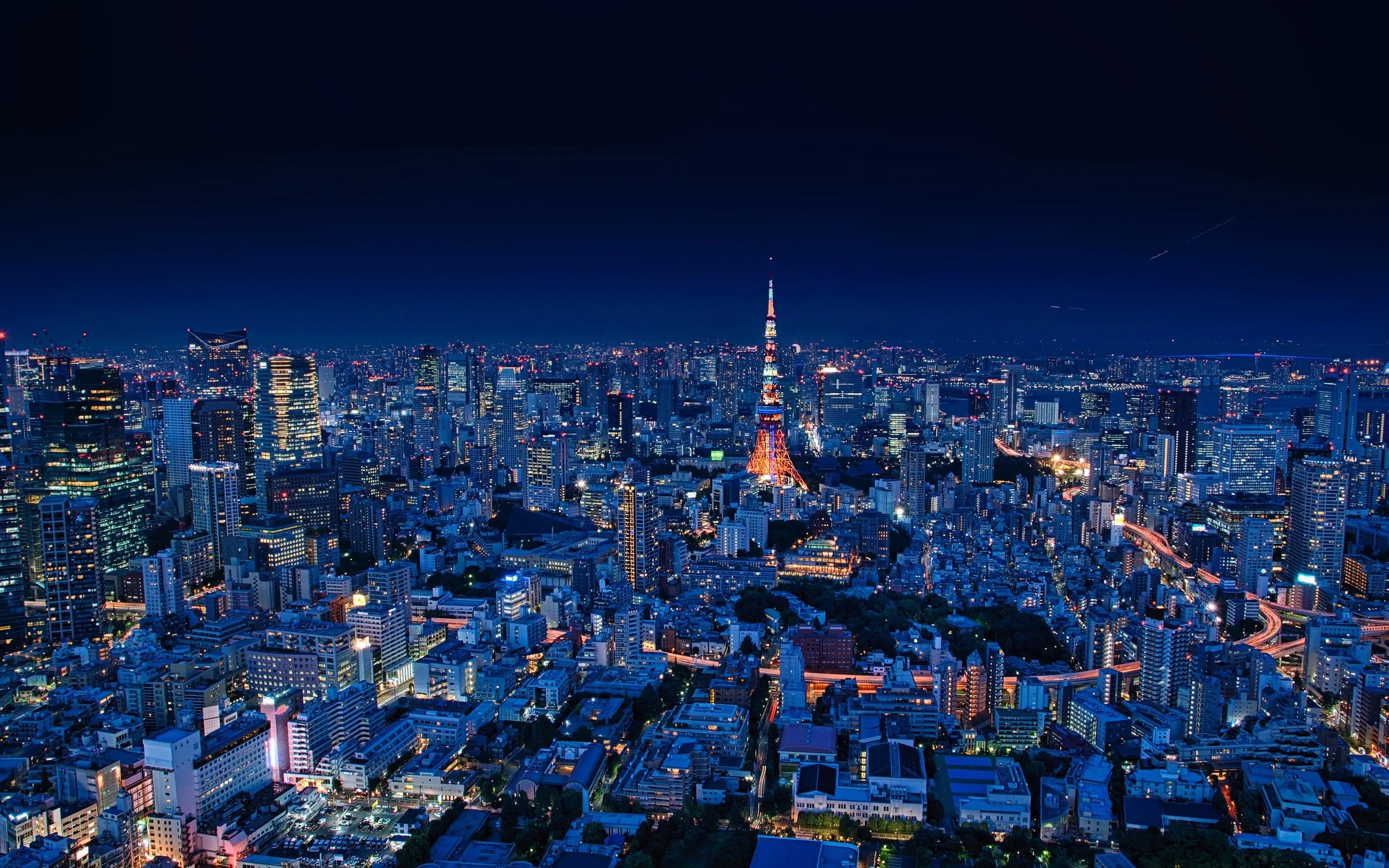
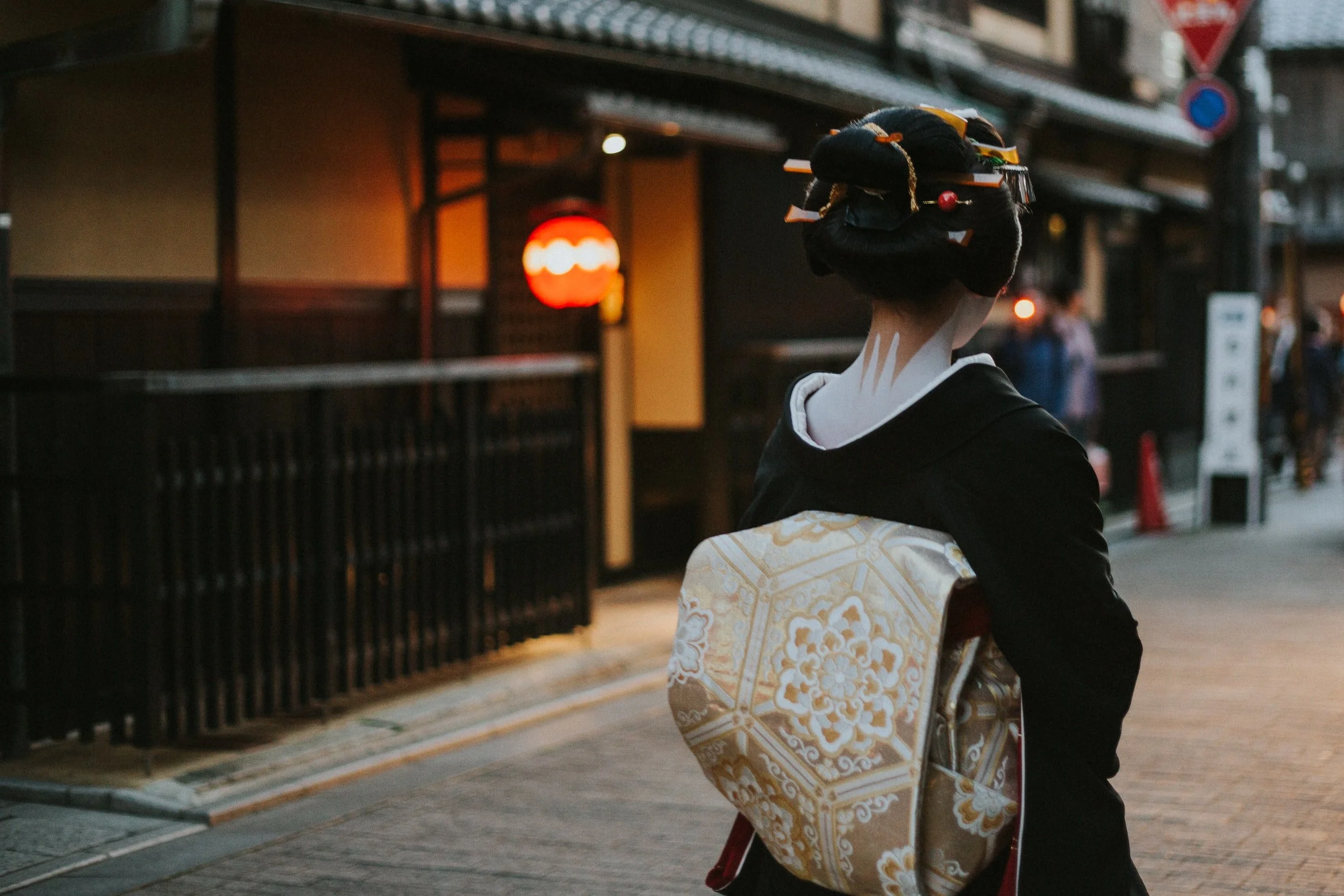
Dusk falls on Shibuya, where trendy Tokyoites amass at the world's busiest crossing. The walk signal turns green and a scramble ensues, resembling a human pinball machine. Meanwhile, in the ancient capital of Kyoto, a geisha's wooden clogs make a distinct clicking sound as she whisks along the cobblestones of Pontocho alley.
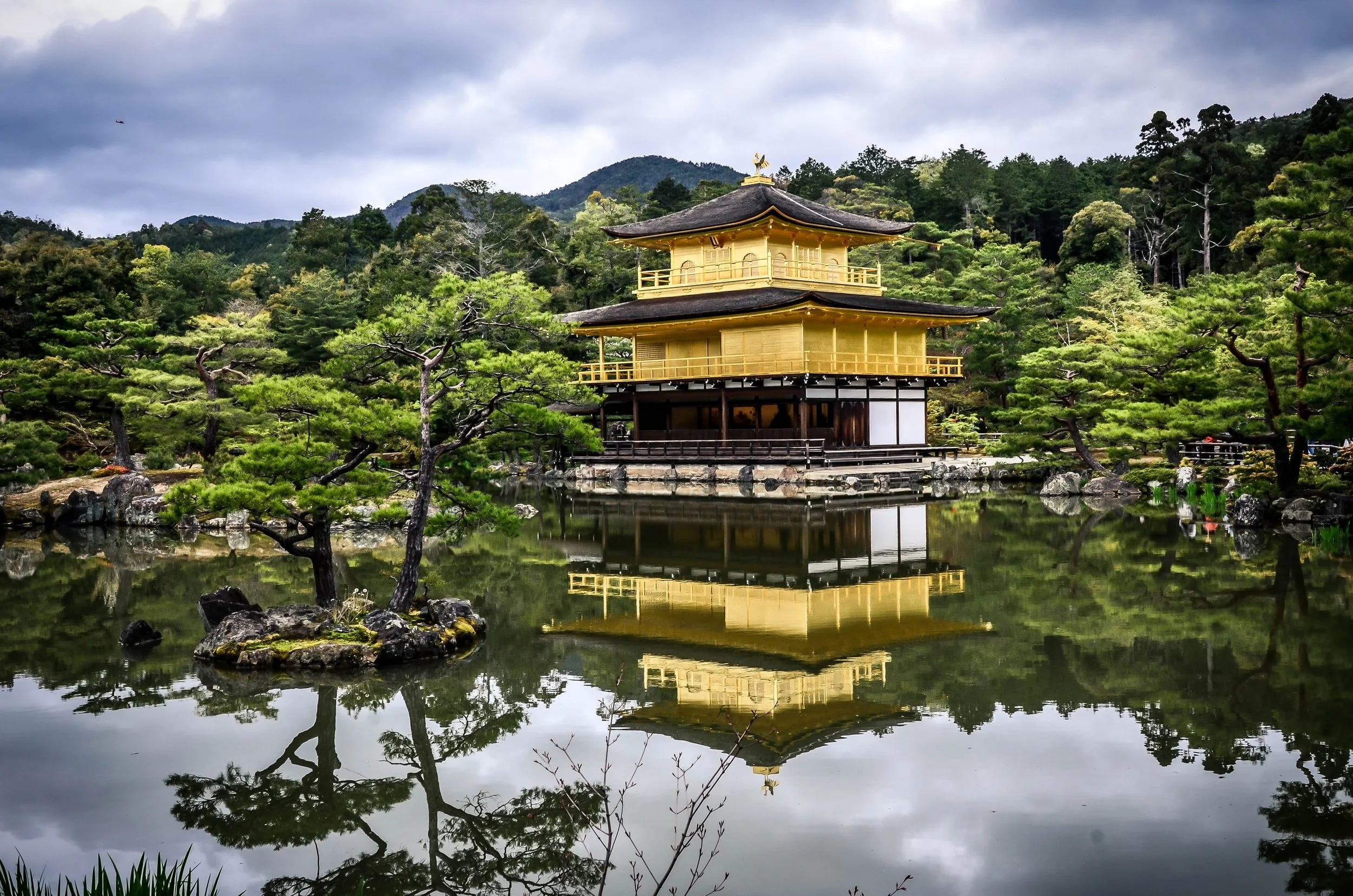
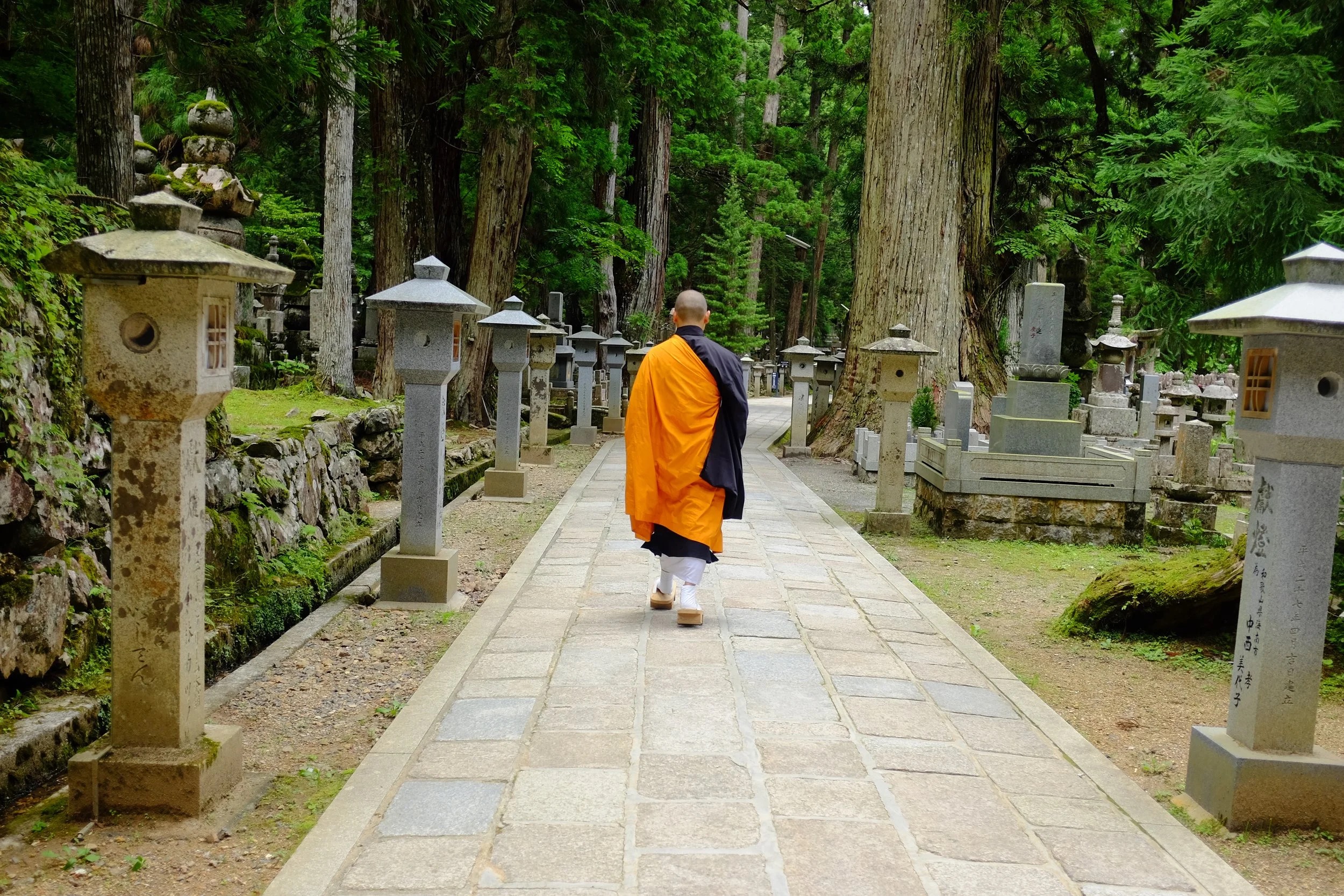
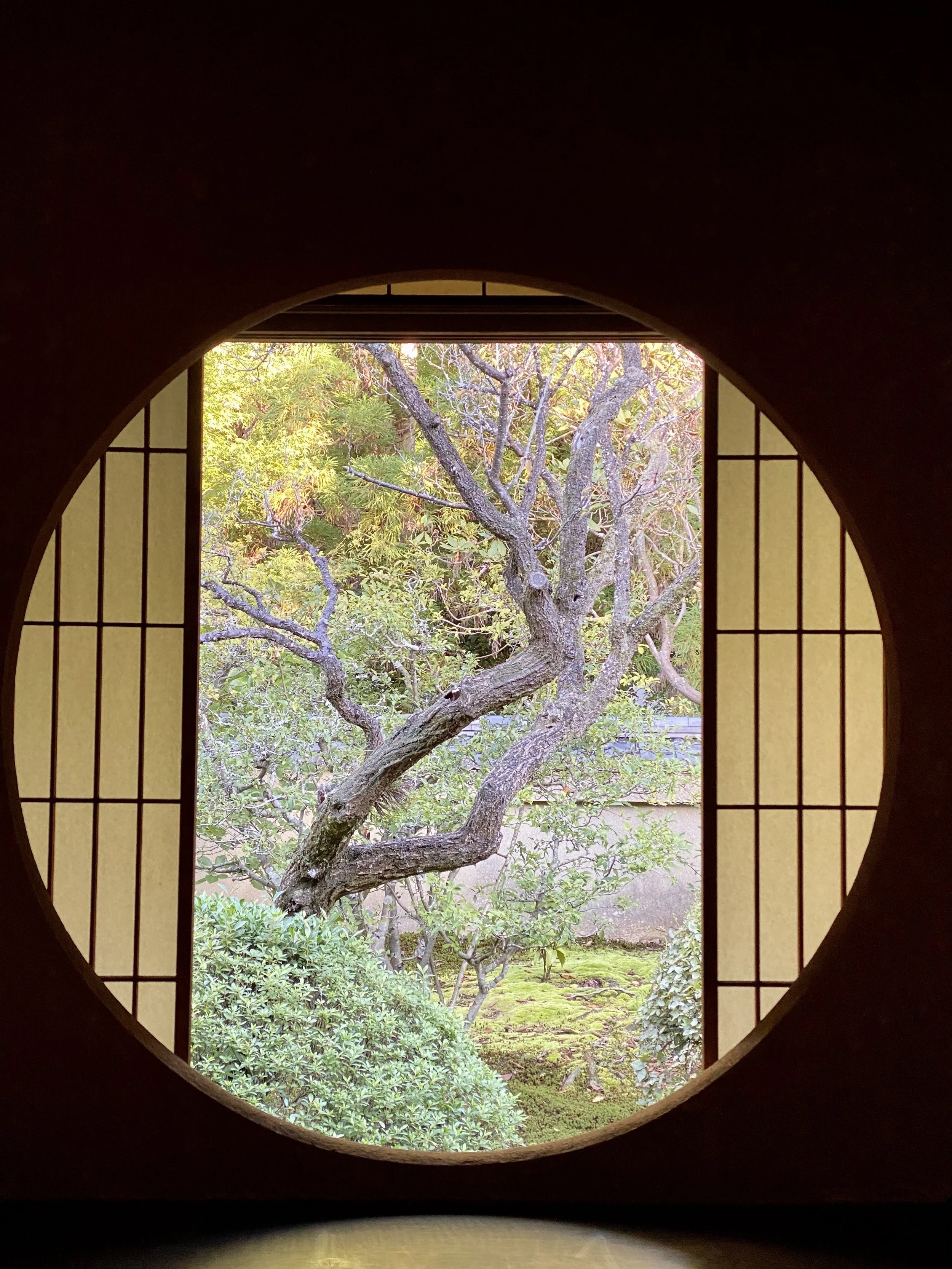
Tradition and modernity have a unique way of mingling in Japan. Kyoto, and on a slightly smaller scale Kanazawa, are treasure troves of traditional culture, from temples to tea ceremonies, though the rush of tourists reminds you that the present is never far away. Hypermodern Tokyo and Osaka are urban dreamworlds of pop culture, cutting-edge technology, quirky fashion, and contemporary art, but performances of kabuki and Noh, and serene parks and gardens, let you find pockets of Zen even in the heart of the metropolis.
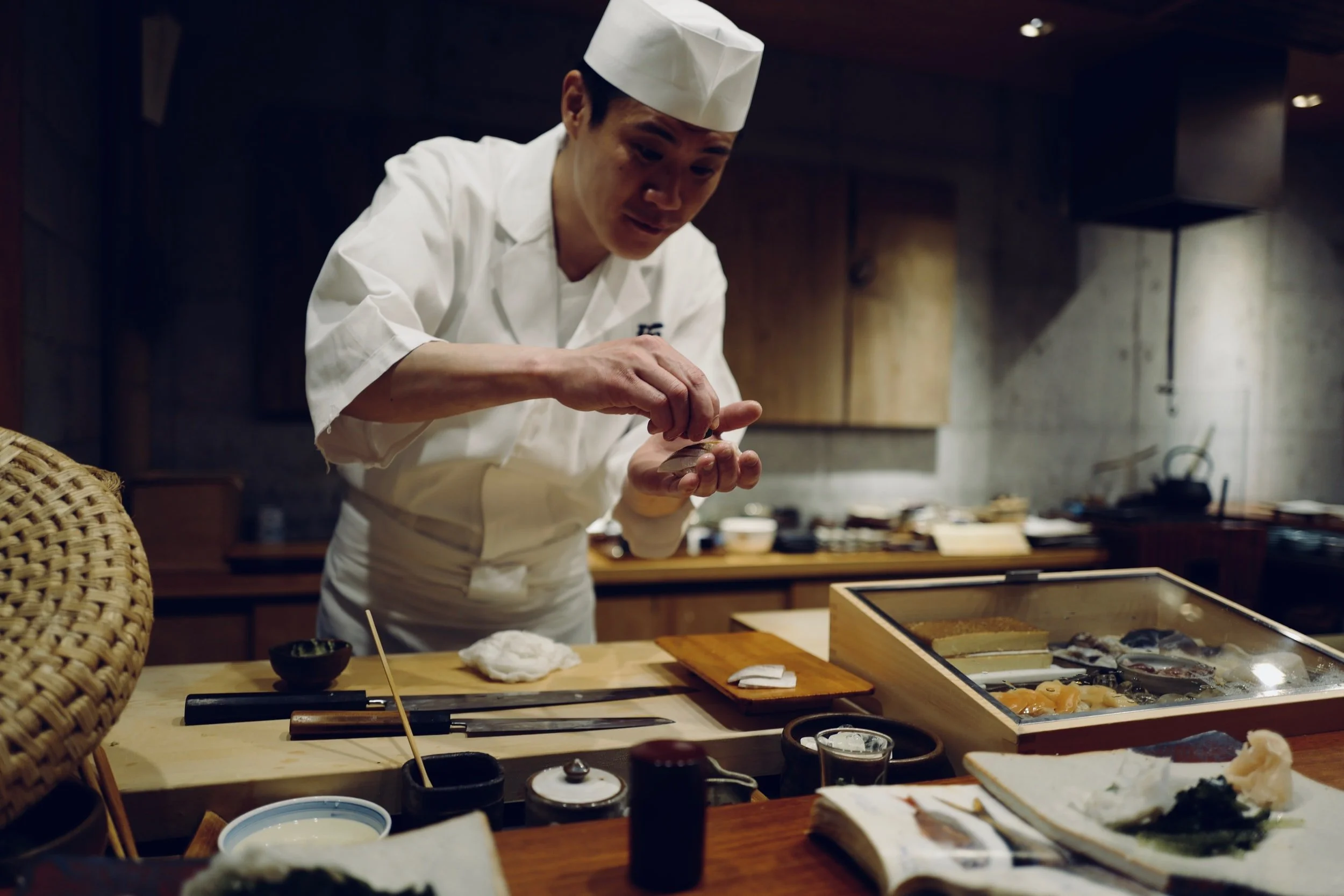
The food is another study in contrasts. Whether it's a sidewalk ramen stall in Fukuoka, a countryside izakaya in the Japan Alps, or a sushi spread in Hokkaido, Japanese cuisine deserves all the praise it gets. A deep sense of craftsmanship informs Japan's attention to detail in everything from sword-making and whisky production to bar sound systems tuned to pin-drop perfection.
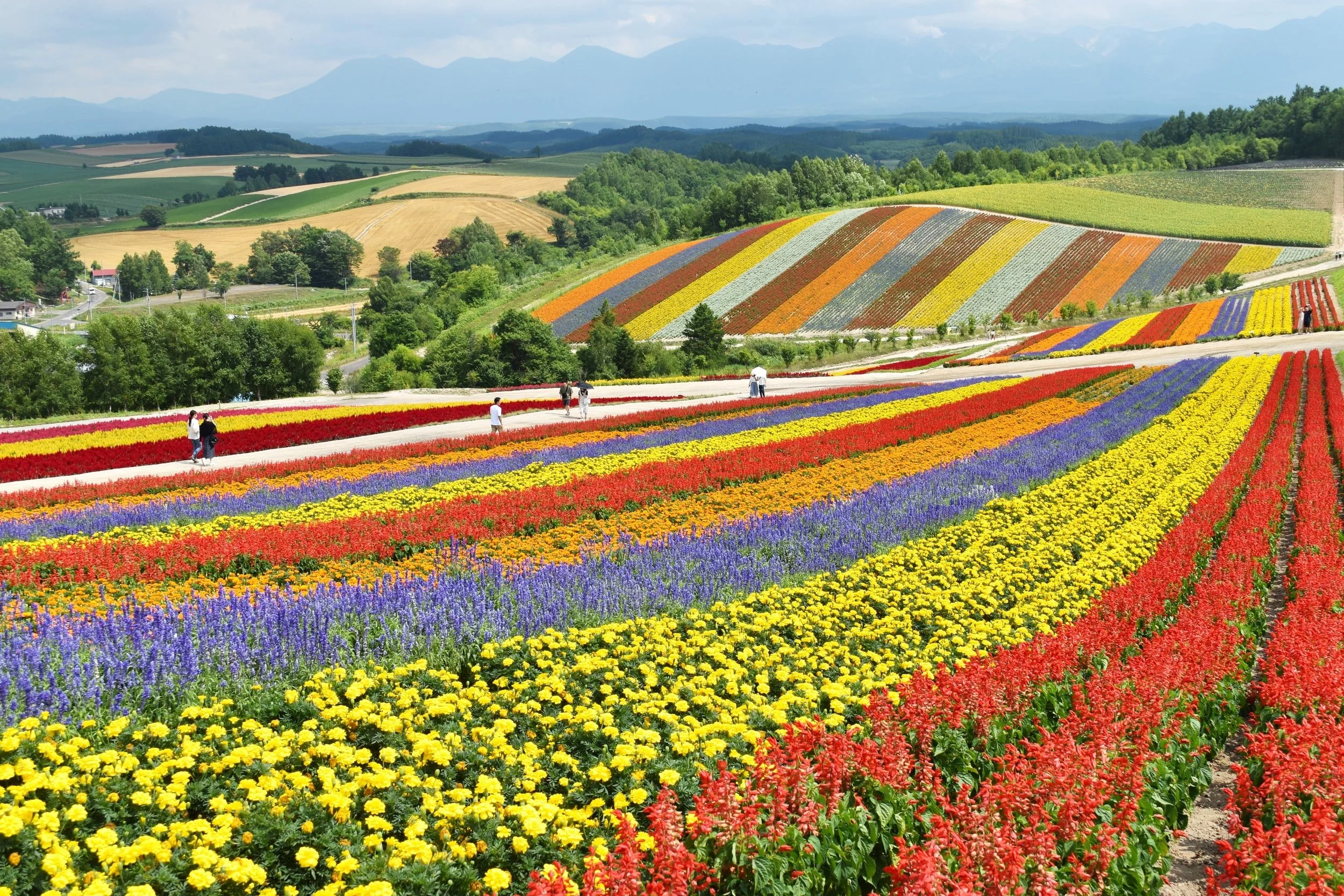
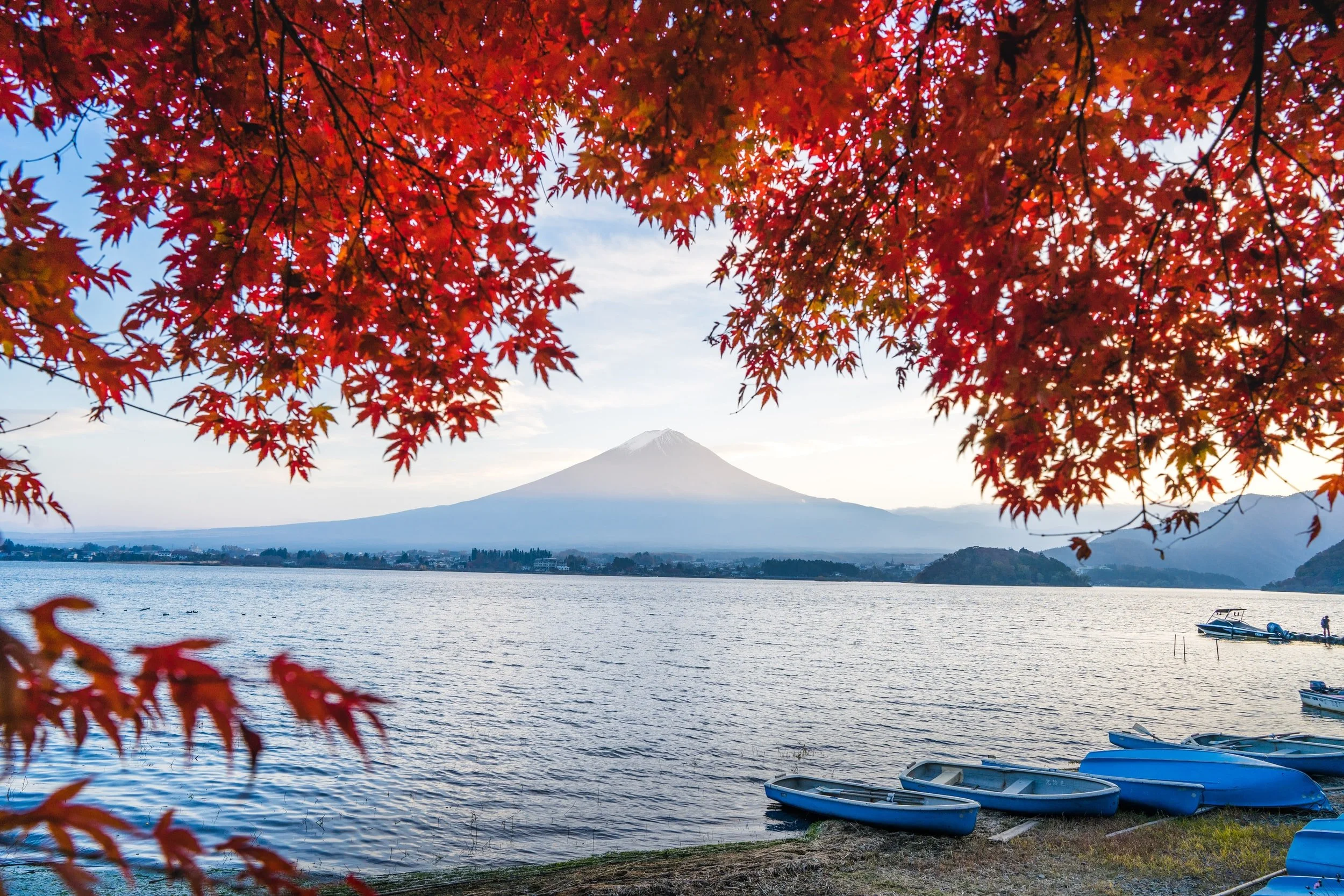
Japan's natural wonders exert as much pull as its culture. For a country of its size, the range of terrain is striking — from the sweeping vistas of Hokkaido and the Japan Alps to the mist-shrouded peaks of Shikoku and the volcanoes of Kyushu. This landscape means hiking and hot springs year-round, and skiing in winter. And when cherry blossoms blanket the country every spring, friends throw hanami parties under the colorful branches.
Above all else, the hospitality of the people is what makes a trip to Japan special. The Japanese have a history of dusting themselves off and rebuilding after setbacks. As the haze of recent years lifts, there's a buzz of optimism in the air, and Japan is eager to welcome back visitors to fall under its subtle spell.