Mongolia · Society
Modern Mongolia: From Genghis Khan to Traffic Jams
Mongolia shed its one-party system in 1990. Now both its economy and its traditional culture are booming.
Jon DeHart·The Diplomat
Mongolia shed its one-party system in 1990. Now both its economy and its traditional culture are booming.
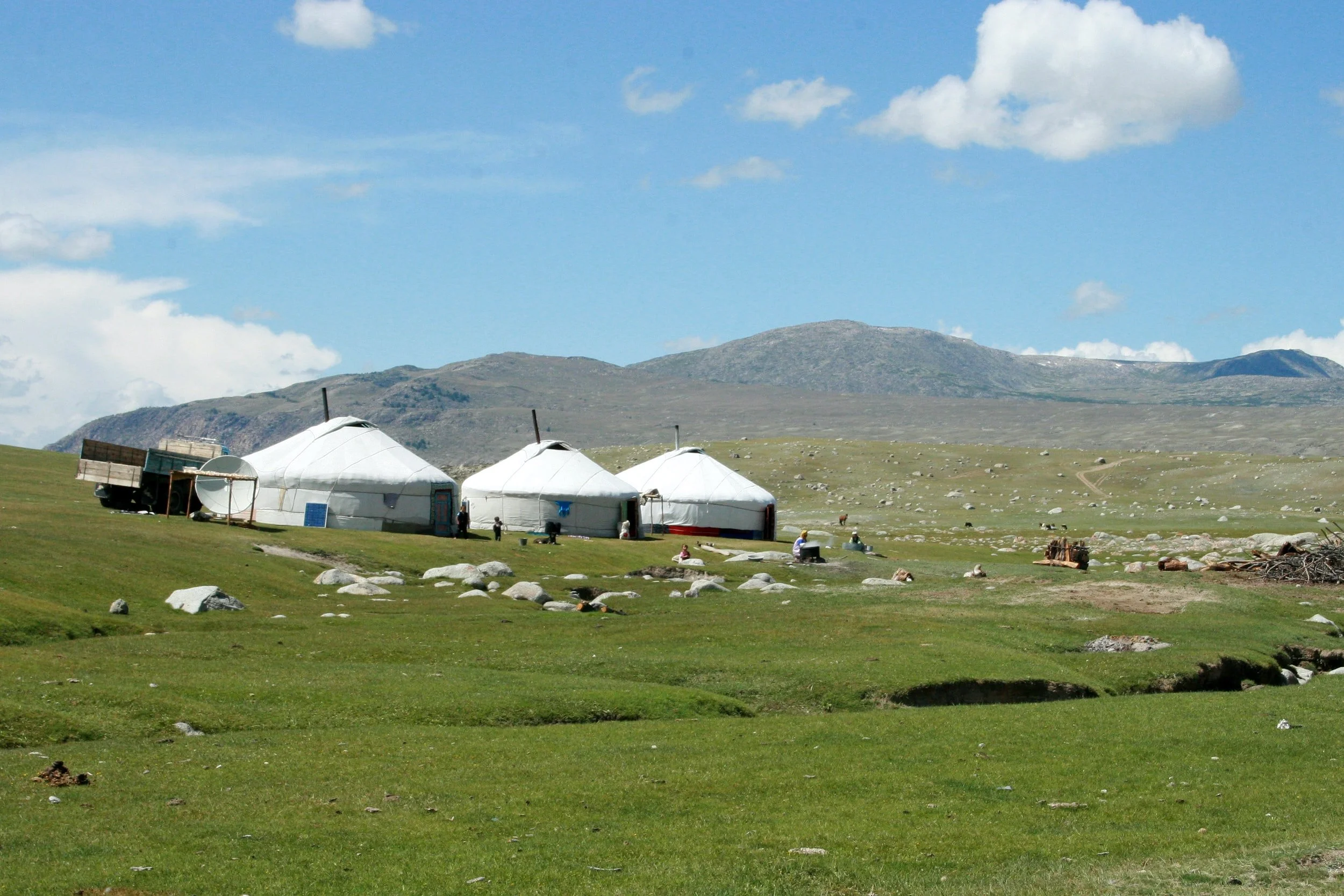
In Mongolia today there are reminders everywhere of the nation's nomadic past. Upon arriving at Chinggis Khaan International Airport, visitors are greeted by a statue of the fearless wandering conqueror of yore. Traditional portable homes — gers — dot the outskirts of the capital, Ulan Bator, and fill the landlocked country's vast steppe, ready to be folded up and carried to better pastures at a moment's notice. Head out beyond the yurts and three million wild Mongol horses run free — more than the nation's human population.
While the itinerant lifestyle still persists in much of the country, today one-third of the population has settled in Ulan Bator — a city where "new buildings are rising all the time and traffic has become a major problem," Shatra Galbadrah, the Mongolian liaison for a 1,000-kilometer horse race called the Mongol Derby, told The Diplomat. "Because of the mining industry the city is really booming. Now there are also famous brands opening stores."
Indeed, Ulan Bator's Sukhbaatar Square — where a bronze statue of Lenin once stood — is now home to a luxury mall featuring Louis Vuitton, Burberry and Hugo Boss. The nation has gotten rich quick — well, at least its elite have — thanks to the vast mineral wealth buried in its ground: 80 different minerals, from coal and copper to gold and uranium. And there is plenty of land to explore.
"Taking in the Mongolian steppe is like looking at Kansas on steroids — a joyous Wagnerian symphony of blue sky, open spaces and grassy curves stretching out to everywhere."
So wrote travel writer Rolf Potts of the country's prairieland, which is twice the size of Texas. The lives of Mongolia's countryside dwellers offer a stark contrast to the hubbub of Ulan Bator. "People can still be seen wearing deel (traditional garb) and eat mostly meat," Galbadrah said. "Pretty much everyone lives in gers. They are surprisingly comfortable." The one drawback, she notes, is the lack of privacy — but functionality is what matters to herders who need to move five or six times a year, wherever the best grass is.
The full feature traces the Genghis Khan renaissance — after decades of Soviet rule that all but erased him from memory — the 131-foot statue on the city's outskirts, and the horsemanship that endures as the one constant of Mongolian life.
Continue reading at The Diplomat →