Japan · Society
Japan Kicks its 'Loophole Herb' Drug Habit
The rise and fall of the previously legal 'loophole herb' is a telling tale of Japan's effort to tighten its control of intoxicants.
Jon DeHart·MarketWatch
The rise and fall of the previously legal 'loophole herb' is a telling tale of Japan's effort to tighten its control of intoxicants.
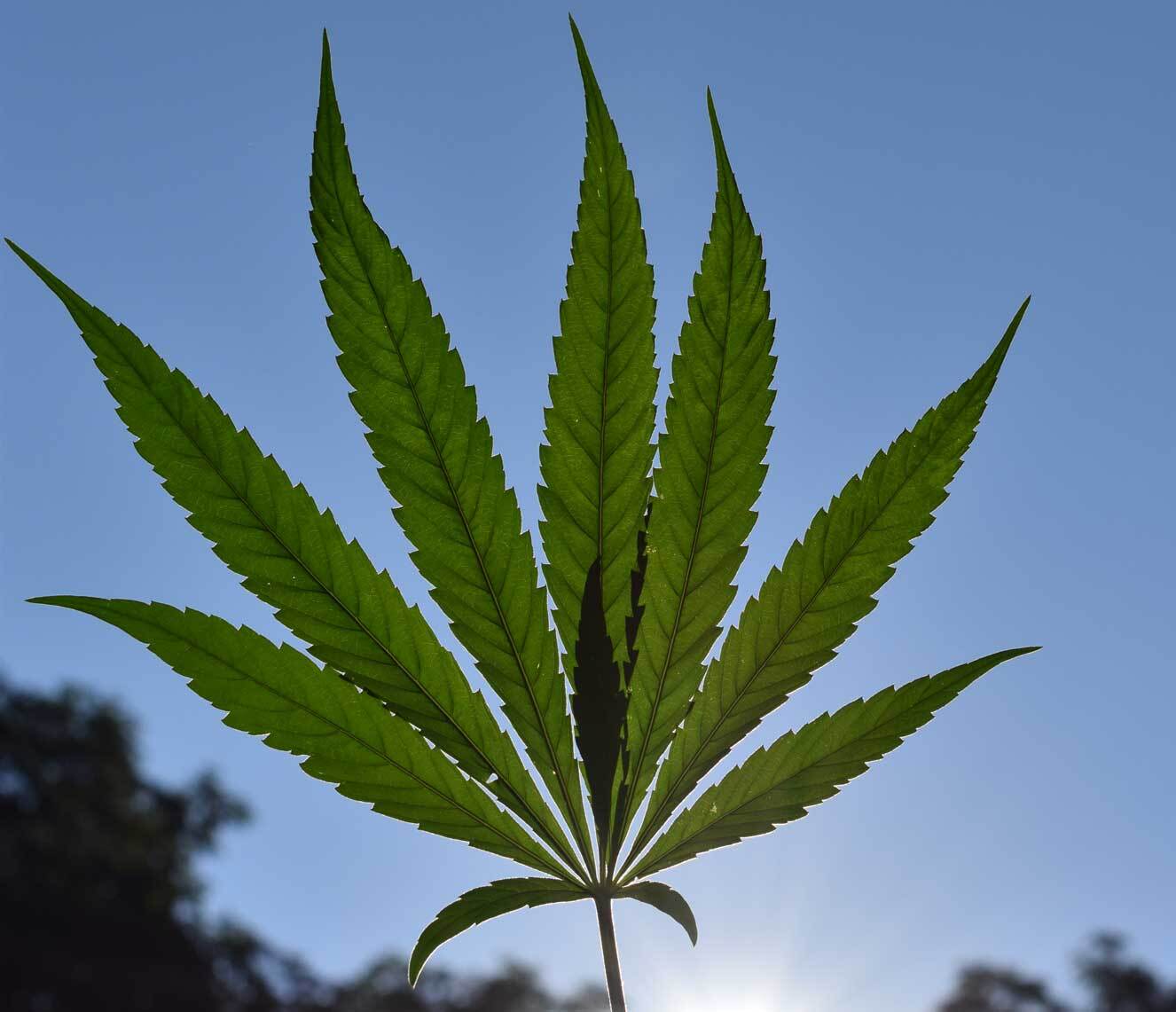
Japan's "loophole herbs" were quasi-legal synthetic highs sold as incense. Photo: Cannabis Urlaub / CC BY 2.0
At a head shop in Tokyo's bustling Shibuya ward, its shelves strewn with Jamaican-flag knick-knacks and bongs bearing marijuana motifs, a clerk swiftly shoots down an inquiry on the availability of dappo habu, a previously quasi-legal mix of herbs laced with chemical compounds that pack a narcotic punch. "The police cracked down on it heavily in recent months," she says. "It used to be easy to find, but you can't buy it legally anymore."
Until the middle of last year, dappo habu — literally "loophole herb," akin to the fake marijuana "spice" or "K2" found in the West — was readily available in Tokyo's nightlife scene. Its rise and fall offer an interesting tale of how the country is tightening its control of intoxicants, even as the U.S. and other nations are decriminalizing illicit drugs such as marijuana.
In its heyday, dappo was often sold as "incense" under English-language brand names like "Assassin," "Bolt" and the poorly spelled "Illution." The chemists who made it managed to play a legal cat-and-mouse game, tweaking the molecular makeup of the active ingredients whenever a previous strain was banned — letting each new variant slip under the legal radar again for a time. Hence the term "loophole" herb.
"You can taste the chemicals on it when you smoke it. You don't need much for it to really hit you hard. When I tried it, I couldn't stop laughing."
So said a Japanese woman who used the drug on four occasions and asked to remain anonymous. Others describe an ordeal. "I felt like my eyes were closed, but I could still see as things were rushing past me," said another former user. "I had to get away from my friends and be alone. I'd never do it again."
The loophole began to close last July when Japan's Ministry of Health, Labor and Welfare launched a public-awareness campaign to rebrand dappo herb — a relatively bland term — as "kiken" ("dangerous") drug. Along with this came a law with real teeth, allowing Tokyo metropolitan police to visit shops known to peddle the stuff, a right previously limited to pharmaceutical inspectors.
The full piece follows the wave of busts, the accidents and celebrity scandals that drove the message home, and how Japan's swift crackdown echoes the way it pushed "magic mushrooms" off the streets before the 2002 World Cup.
Continue reading at MarketWatch →