India · Society
Kumbh Mela: Consuming the Greatest Show on Earth
Have mass media and consumerism hijacked India's holiest event?
Jon DeHart·The Diplomat
Have mass media and consumerism hijacked India's holiest event?
India's Kumbh Mela (literally, "Pitcher Festival") is mind-boggling in scale. The largest gathering of humans in one time and place, the event is held every three years, roving between four locations across India. While all four are "mega" in scope, the Maha Kumbh Mela — held on the twelfth year in Allahabad at the confluence of the Ganges, Yamuna and mythical Saraswati rivers — is the granddaddy of them all.
"The Maha Kumbh Mela is above all an extraordinary spectacle. Some of its locations are full of intense human drama and sociological complexities."
So said Namit Arora, a documentary filmmaker who attended the 2013 Kumbh Mela, to The Diplomat. So great is the size of the gathering that the crowds can purportedly be seen from space. On February 10 alone — the main bathing day — an estimated 30 million people, from ash-covered holy men to earnest pilgrims, filed into the Ganges to take a dip in its frigid waters in the hope of washing away their sins.
The dedication needed to reach the sacred spot is not to be taken lightly. In an academic essay on the festival, Dr. Kama Maclean cites a litany of perils that may befall visitors — malaria, tuberculosis, food poisoning, water contamination, being trampled (as happened this year, leading to 36 deaths at Allahabad railway station), typhoid, rabies and plague. "While hazardous travel is styled among some travel subcultures as valiant," Maclean writes, "this remains an impressive and not entirely exaggerated list of perils to face."
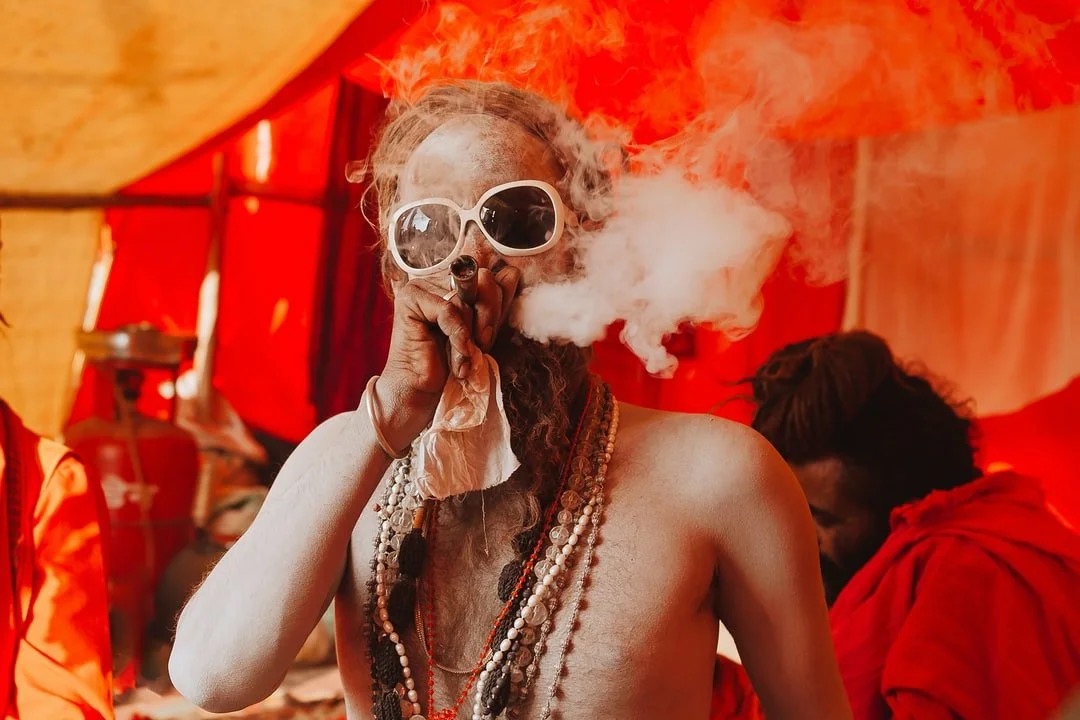
Faced with these risks, armchair travel is an appealing alternative — and photographs, text and video documenting the scale, drama and color of the event have flooded online media outlets. If anything, the spectacle of up to 100 million pilgrims has attracted perhaps too much attention from both domestic and global media. As a result, the Kumbh Mela has become saturated and transformed by coverage to a degree we may not yet comprehend.
The full piece weighs how the market economy and rampant branding — Coca-Cola vendors, Unilever-stamped roti, a place on the "100 Things to Do Before You Die" list — have commercialized India's holiest gathering, and what is lost when even a boat ride with real pilgrims becomes a packaged experience.
Continue reading at The Diplomat →