Feature · Travel
Islands Apart
Weary of the concrete jungle, residents across Japan flock to the subtropical Okinawa Prefecture and its laid-back, distinct culture.
Jon DeHart·The Ritz-Carlton Magazine
Weary of the concrete jungle, residents across Japan flock to the subtropical Okinawa Prefecture and its laid-back, distinct culture.
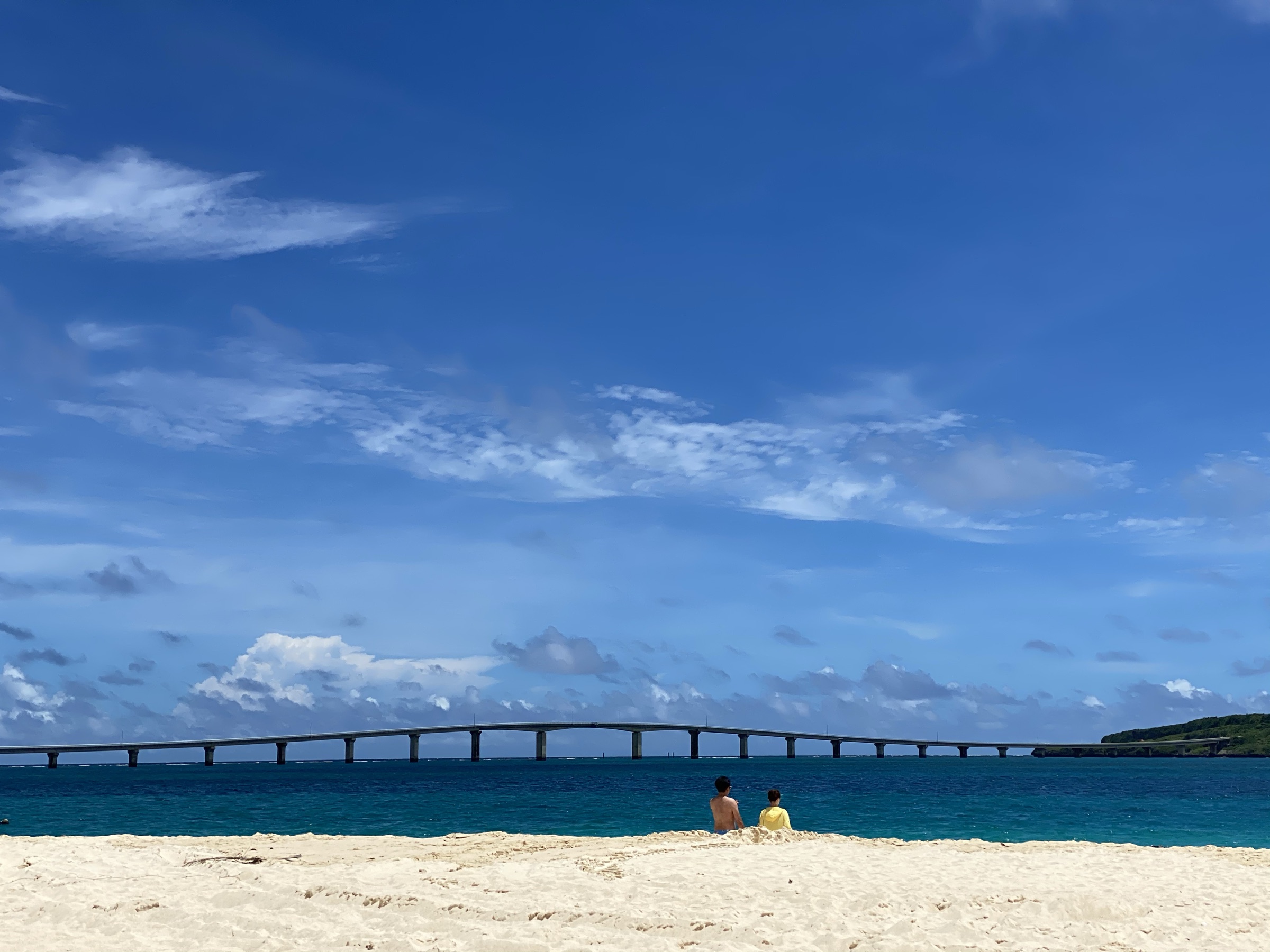
The subtropical Okinawa coast. Photo: Jon DeHart
Arriving in Naha, the subtropical capital of Okinawa Prefecture, you could be forgiven for thinking you were somewhere far from Japan — perhaps a balmy isle in Southeast Asia. Naha is the gateway to 160 islands (47 inhabited) strewn out like a string of pearls reaching towards Taiwan from Japan's southernmost main island of Kyushu. These slivers of land feature tangled jungles, mangrove swamps, white-sand beaches and coral reefs — enough to keep burnt-out city dwellers exploring for a lifetime. But the islands' eclectic culture, which I've come to explore, is just as alluring as the terrain.
This is largely due to the ebb and flow of history, which is what I set out to discover as I begin my journey, just east of downtown Naha at Shuri Castle. Perched on a hilltop overlooking the capital's urban expanse, Shuri-jo (as the castle is called in Japanese) was originally built in the 14th century during the ascent of the Ryukyu Kingdom that once ruled over the islands. Despite being razed during WWII, when it served as the Japanese Army's headquarters, Shuri-jo was restored to its former greatness in 1992 and designated a UNESCO World Heritage Site.
Strolling through the rambling castle grounds, I spot a number of reminders of Okinawa's cosmopolitan past. Until being overtaken by the mainland Japanese in the 16th century, the islands did brisk trade with China, Taiwan and Indonesia. These contacts influenced everything from architecture and textiles to food and music.
"Even today, the islands of Okinawa feel fundamentally un-Japanese."
A number of architectural frills catch my eye, evoking flourishes from Ming-Dynasty China: red walls, opulent gates and ceramic dragons winding around the traditional red-tiled roofline. But above all else, I notice the profusion of shisa, as the lionlike talisman is known, standing guard against evil spirits around doorways and on rooftops throughout the complex.
The full feature carries on through Naha's markets and sanshin workshops, the longevity diet of the "Island of the Immortals," and out to the far-flung Yaeyama Islands — Ishigaki and sleepy, car-free Taketomi.
Continue reading at The Ritz-Carlton Magazine →