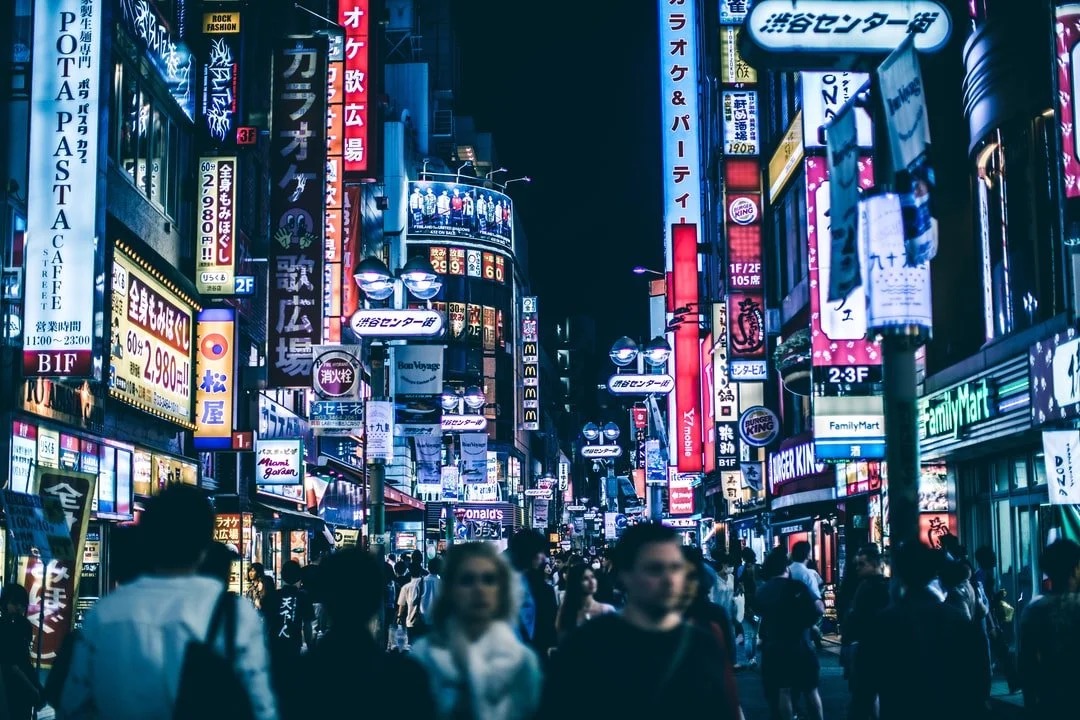
Night falls on Shibuya Crossing, where a sea of pedestrians waits in the soft glow of giant TV screens. The walk signal turns green, then a torrent of foot-traffic whooshes through Earth's busiest crossing. Meanwhile, in ancient Kyoto, a geisha arrives at a tranquil teahouse on a cobblestone lane. As she steps through the door, a lantern swaying in the breeze reveals her face painted with thick, white makeup to create a porcelain look.
Ancient tradition and modern life have a distinct way of mixing in Japan. Tokyo is, without a doubt, the beating, modern heart of the nation, while Kyoto is where Japanese culture was born. Encountering both sides of this fascinating country is essential to truly grasp its essence. Thankfully, Japan's stellar rail network makes it easy to do just that. Using Tokyo as your base, you can make a few side trips, or you can treat Tokyo as the starting point of a much longer journey.
What follows is a starting point for discovering a deeper, more local side of Tokyo, paired with notes on a few choice day trips from the capital city, as well as the more ambitious Golden Route. This tried-and-true itinerary runs through the cultural and geographic heart of Japan, from the ancient past to the up-to-the-minute present.
Old-school east Tokyo
Tokyo is a city to see, smell, taste, touch, and hear: it boasts truly world-class culinary and nightlife scenes, oozes contemporary style, and offers unrivaled access to traditional performance arts like Kabuki and Noh theater. Creature comforts abound here; a convenience store is never more than steps away, and there are vending machines on every corner.
"Tokyo is a city to see, smell, taste, touch, and hear — it boasts truly world-class culinary and nightlife scenes."
To ease into these complexities, start your exploration on the calmer east side. For a dose of the city's Shōwa era (1926–89), I often head to Yanaka, a down-to-earth neighborhood left relatively unscathed by World War II firebombing raids. This quintessential slice of old-school Tokyo sits in the northeast of town, beside the bustling hub of Ueno. Its tangle of streets is flanked by mom-and-pop restaurants, shops selling locally made crafts, art galleries, cafés, and myriad temples and shrines.
Descend the Yuyake Dandan ("sunset steps") to the retro shopping street of Yanaka Ginza. Here, a wide range of shops sell everything from doughnuts shaped like cat tails to menchi katsu (beef croquettes). It's the perfect place to graze on local flavors before meandering through the area's backstreets to enjoy getting a little lost.
This is an excerpt
The full feature winds on through modern west Tokyo, day trips to Hakone and Kamakura, and the Golden Route to Kyoto and Osaka — Japan's "kitchen" and, the writer admits, maybe his favorite city of all.
Continue reading at Preferred Travel Magazine →