Myanmar · Society
Ashin Wirathu: The Monk Behind Burma's "Buddhist Terror"
A TIME Magazine cover story has riled Thein Sein along with much of the nation.
Jon DeHart·The Diplomat
A TIME Magazine cover story has riled Thein Sein along with much of the nation.
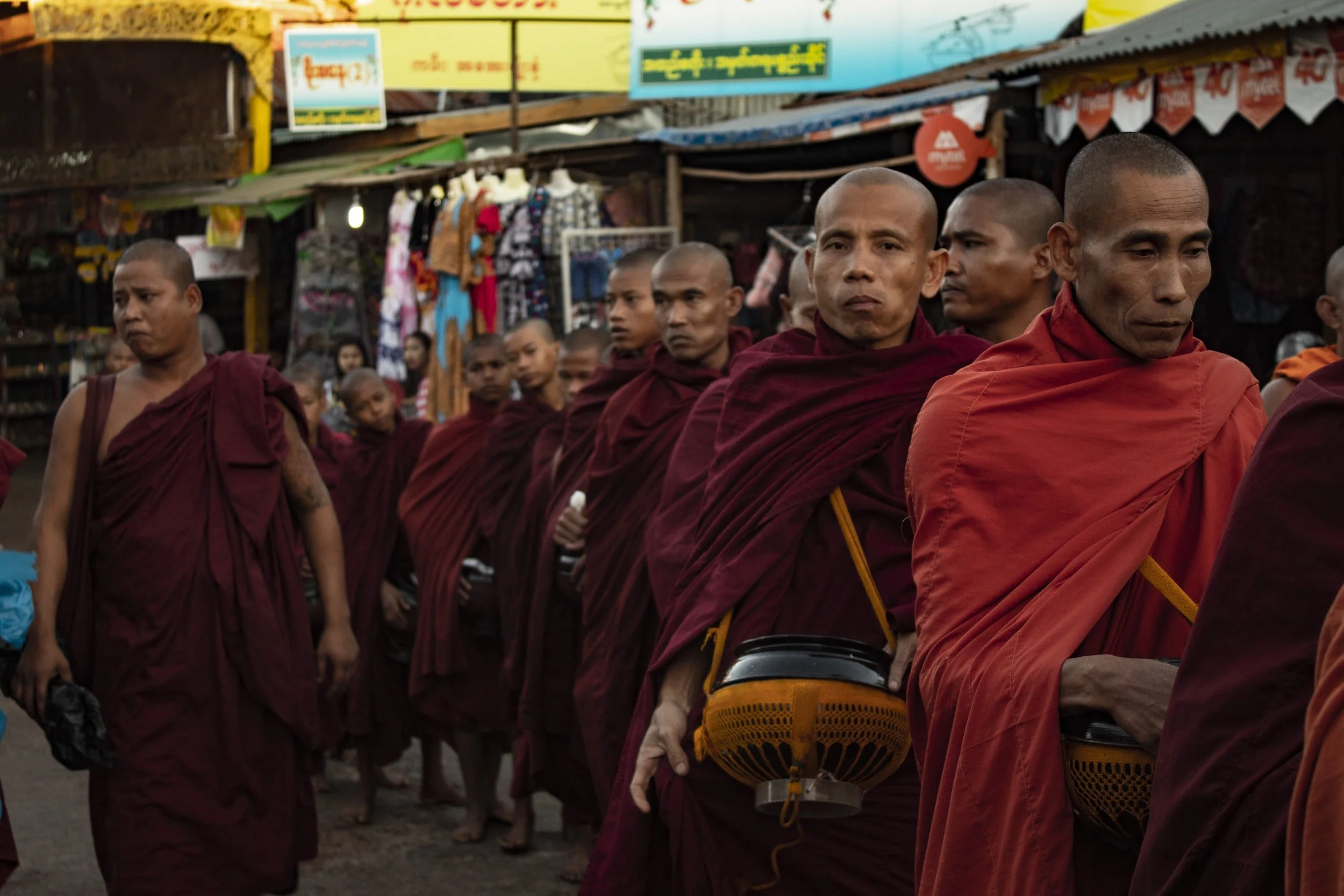
When the July issue of TIME Magazine hit newsstands it got the attention of the highest levels of government in Burma. On its cover is a serene image of Burmese Buddhist monk Ashin Wirathu, with a loaded phrase superimposed on his crimson robes: "The Face of Buddhist Terror." The article explores the rising wave of anti-Muslim violence in the country and traces much of it back to Wirathu.
Reacting to the provocative story, President Thein Sein's office released a statement saying it "creates a misunderstanding of Buddhism," and went on to call Wirathu a "noble person" who is a "son of Buddha." While conjoining the words "Buddhist" and "terror" may cast the vast majority of the world's Buddhists in an unfair light, suggesting that real efforts are underway to cease sectarian violence glosses over a troubling fact: Wirathu actively encourages an extremist attitude towards Burma's Muslims.
Before a large gathering who came to hear his thoughts on Burma's Muslims — whom he called "the enemy" — Wirathu recently said: "You can be full of kindness and love, but you cannot sleep next to a mad dog."
"Even though they are minorities here, we are suffering under the burden they bring us."
This sentiment is not fringe. As seen by the crowd, which numbered in the thousands, Wirathu has a massive following. Using an intoxicating mix of paranoia, racial stereotyping and unfounded claims, he has whipped up anti-Muslim sentiment among Burmese Buddhists. An organic movement has formed as a result, known as the 969 campaign — which some have even likened to a Burmese form of neo-Nazism.
The full piece decodes the 969 movement's stickers and boycotts, the beatings and the displacement of more than 125,000 people, Human Rights Watch's charge of "ethnic cleansing" against the Rohingya, and Aung San Suu Kyi's conspicuous silence.
Continue reading at The Diplomat →